
The Archive
The first standardized
archive of archaeological
artefacts.
Museums hold millions of objects. Most have never been documented to a standard that allows comparison across collections.
PHOTARCH applies a shared standard to every object: controlled conditions, calibrated colour, consistent angles, and structured metadata. The result is a dataset built for research, comparison, and long-term reference.
Visit archive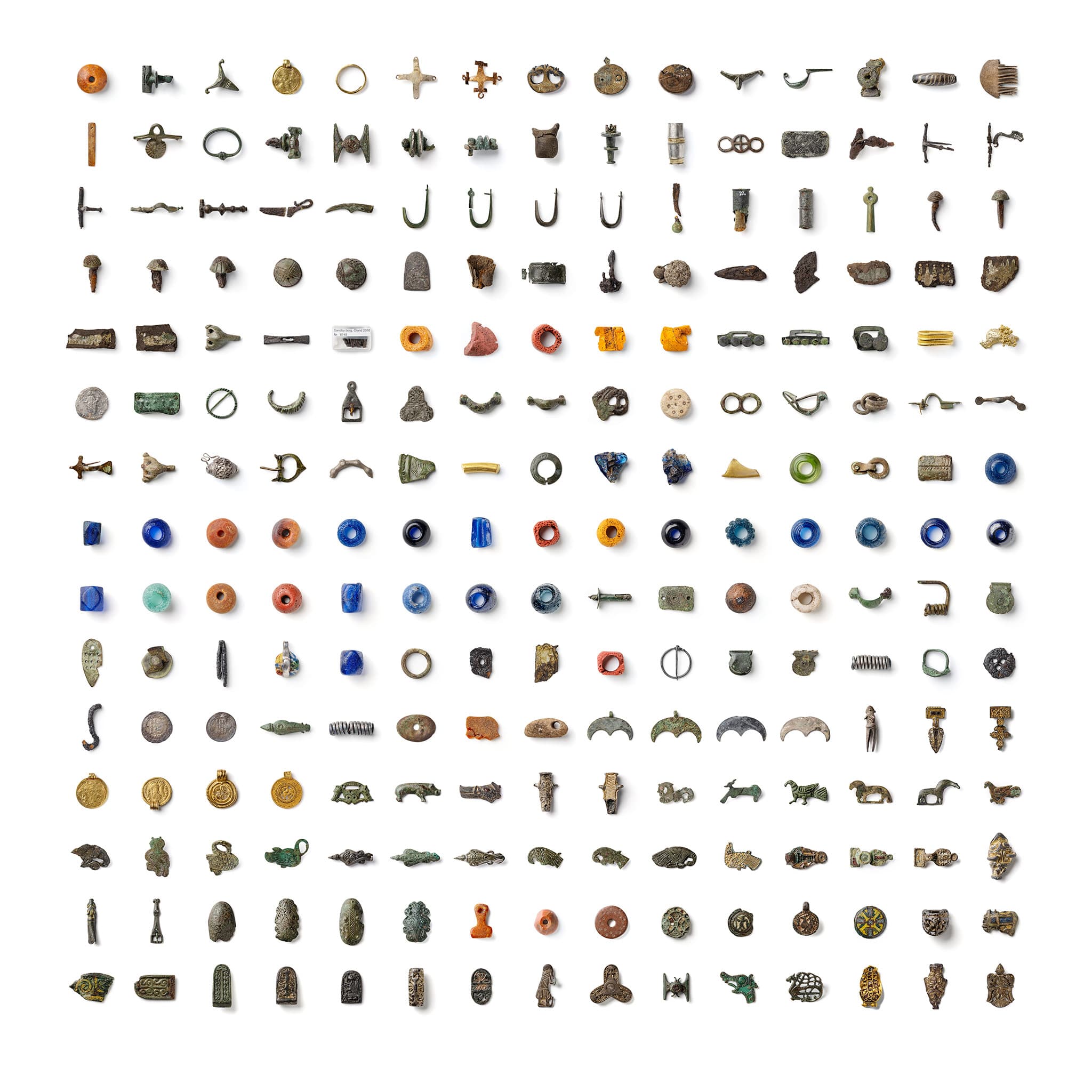
Stay informed as the dataset grows.
No noise. Updates when something meaningful happens.
—
Objects in the dataset
—
Contributing institutions
—
Collections
Work featured in











The problem
Why collections cannot be compared.
Inconsistent documentation
Different lighting, angles, backgrounds, and scales make it impossible to compare objects across collections. A brooch in Lund and a similar brooch in Copenhagen cannot be studied side by side.
Fragmented access
High-quality records sometimes exist — but rarely in a form that supports systematic research. They sit on institutional hard drives, buried in grey literature, or published at low resolution.
No shared standard
Without a common protocol, every new record is an island. PHOTARCH is the standard that connects them.
The standard
A consistent set of views.
Controlled light. Neutral background.
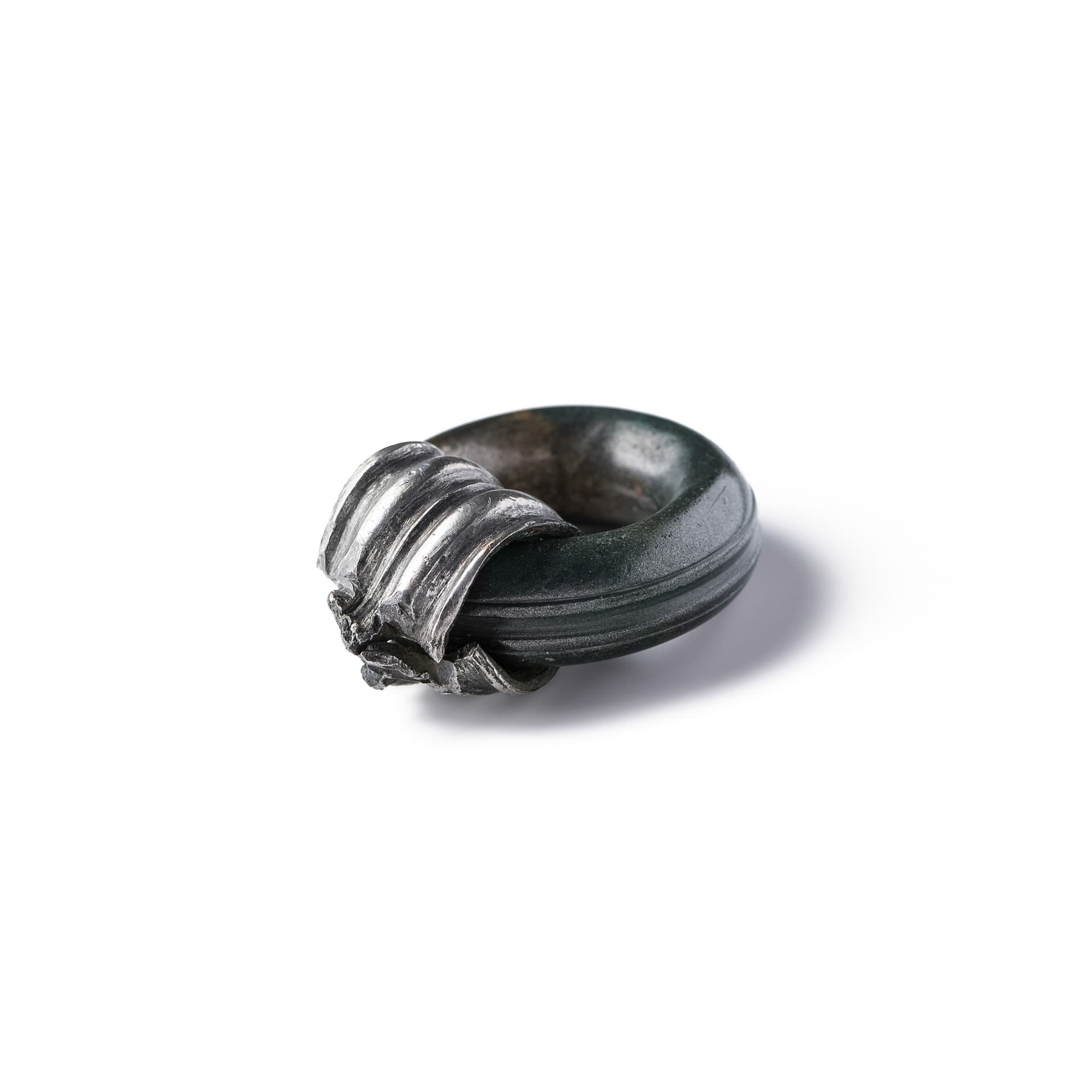
PHOTARCH defines how an artefact should be photographed — not how it should look. The goal is reproducibility: any institution following the method produces images that can be compared directly with any other.
The method covers required views, camera and lens specifications, lighting setup, background, colour calibration, focus requirements, file format, and metadata structure.
The archive
Images that carry
information, not just appearance.
Each record in PHOTARCH connects an artefact to its images, provenance, period, material, and institution. The archive is structured for machine readability — filter by type, period, material, or colour.
Images are standardized. Metadata is structured. Everything is citable. The archive grows as institutions contribute — each addition follows the same method, so the whole remains coherent.
Artefact record
Inventory number, period, material, object type, site, institution
Image set
Up to 6 standardized views per object, TIFF + JPEG
Colour data
Dominant colour values extracted per image
Provenance
Geographic coordinates when available
License
CC BY — citable in publications and research
Features
What the archive can do.
Archive
- —Search and filter by type, period, material, colour, and collection
- —Up to 6 standardized views per object (top, front, back, left, right, detail)
- —Dominant colour extraction and colour-proximity search
- —Geographic map view with artefact locations
- —Timeline view by period
- —Side-by-side comparison of artefacts
- —High-resolution image download (Researcher and Institution)
- —Favourites and custom collections
- —Collections and research canvases
- —Shareable canvases and collections (with or without login)
- —PDF export of object records and canvases
- —Multilingual interface (English / Swedish)
Standards & access
- —Dublin Core XML export per object
- —LIDO XML export per object
- —SHA-256 checksums on all image files
- —Bulk dataset export (CSV)
- —ARK persistent identifiers (NAAN: 73195)
- —Vocabulary editor with multilingual term management
- —Team access — up to 10 researchers per institution
- —Institution dashboard with researcher seats and activity
- —ORCID iD integration for researcher attribution
- —Admin dashboard with usage analytics
In development
- —API access for programmatic queries
- —IIIF manifest per object
- —iOS app
- —Android app
Standards support
Built to connect with the systems heritage already uses.
PHOTARCH follows established standards where they exist and extends them where the photographic dimension is not addressed. The goal is interoperability — records that can leave the archive and work elsewhere.
CC BY 4.0
ActiveCreative Commons Attribution. All images and metadata are openly licensed and citable.
TIFF / JPEG
ActiveTIFF as master format, JPEG as delivery derivative. Resolution and colour space requirements defined by the PHOTARCH standard.
EXIF / IPTC
ActiveCamera metadata and descriptive metadata embedded in image files at ingest.
Dublin Core
ActiveCore descriptive fields (title, type, date, creator, rights) mapped to Dublin Core elements in all records.
LIDO
ActiveLightweight Information Describing Objects. XML export per object for aggregation with museum network portals.
ARK / NAAN
ActiveArchival Resource Keys with registered Name Assigning Authority Number. Persistent, resolvable identifiers for every object record.
SHA-256 checksums
ActiveCryptographic checksums on all stored image files. Enables verification of file integrity over time.
ISO 19264
ActiveDigitization of cultural heritage materials — image quality. Defines measurable requirements for spatial resolution, colour accuracy, and dynamic range. Answers the question: is the image technically sufficient?
CIDOC-CRM
Coming
Conceptual Reference Model for cultural heritage. The underlying ontology for object-event relationships.
IIIF
Coming
International Image Interoperability Framework. IIIF manifests per object for integration with external viewers and platforms.
C2PA
Planned
Coalition for Content Provenance and Authenticity. Cryptographic signing embedded in image files — verifies origin, capture device, and that the file has not been altered. Answers the question: can this image be trusted?
SPECTRUM
Planned
UK collections management standard. Alignment with SPECTRUM procedures for object entry, acquisition, and location.
Europeana EDM
Planned
Europeana Data Model. Enables contribution to the Europeana aggregator for European cultural heritage.
Standards comparison
What PHOTARCH covers that other standards do not.
Existing heritage metadata standards describe what an object is. PHOTARCH also specifies how it must be photographed — making the image itself part of the standard, not an afterthought.
| Field | PHOTARCH | Dublin Core | CIDOC-CRM | LIDO | SPECTRUM |
|---|---|---|---|---|---|
| Object identification | ● | ● | ● | ● | ● |
| Material & period | ● | ◐ | ● | ● | ● |
| Provenance & site | ● | ◐ | ● | ◐ | ● |
| Institution | ● | ● | ● | ● | ● |
| Standardized views | ● | ○ | ○ | ◐ | ◐ |
| Lighting specification | ● | ○ | ○ | ○ | ○ |
| Background & calibration | ● | ○ | ○ | ○ | ○ |
| File format requirements | ● | ○ | ○ | ◐ | ◐ |
| Colour data | ● | ○ | ○ | ○ | ○ |
| Machine-readable structure | ● | ● | ● | ◐ | ◐ |
| Integrated archive | ● | ○ | ○ | ○ | ○ |
| Open license | ● | ◐ | ◐ | ◐ | ◐ |